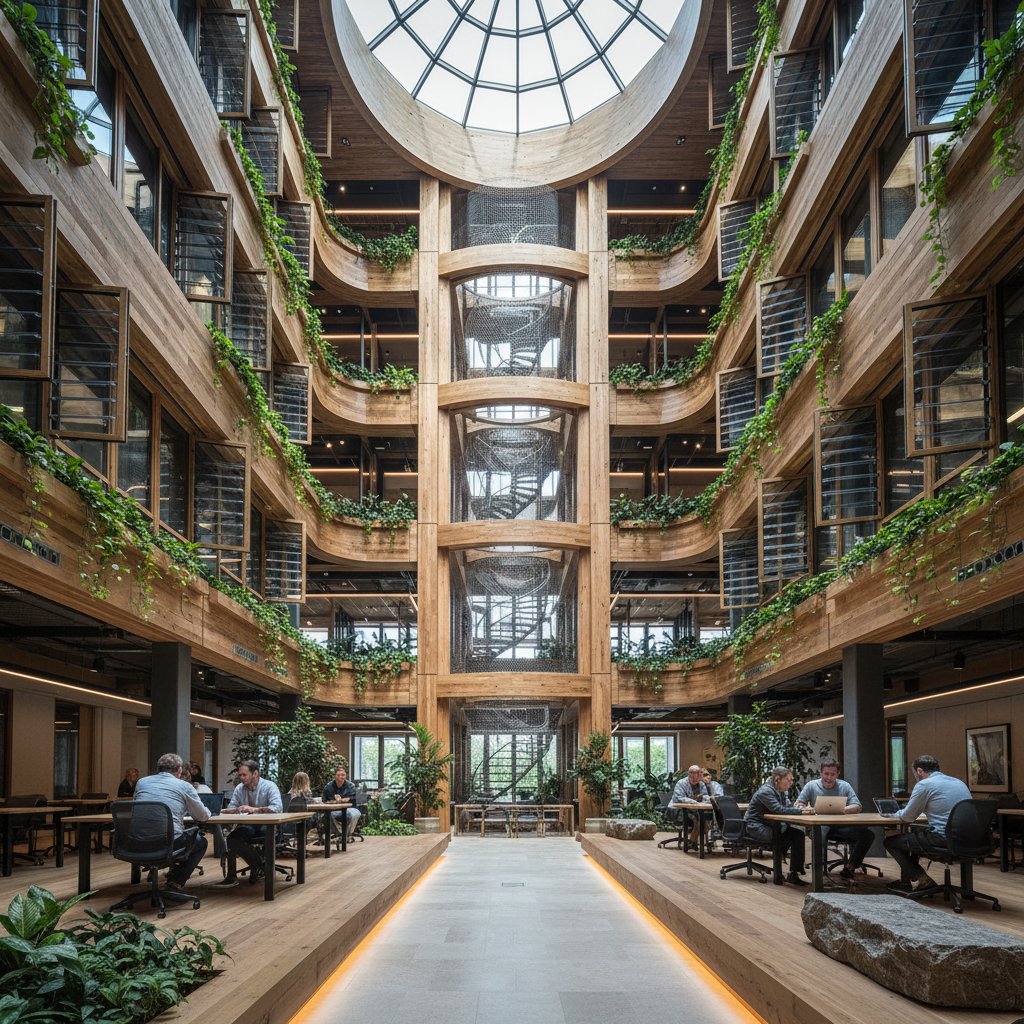
Natural Ventilation Systems for Singapore Homes

Cool Your Space Efficiently Without Air Conditioning

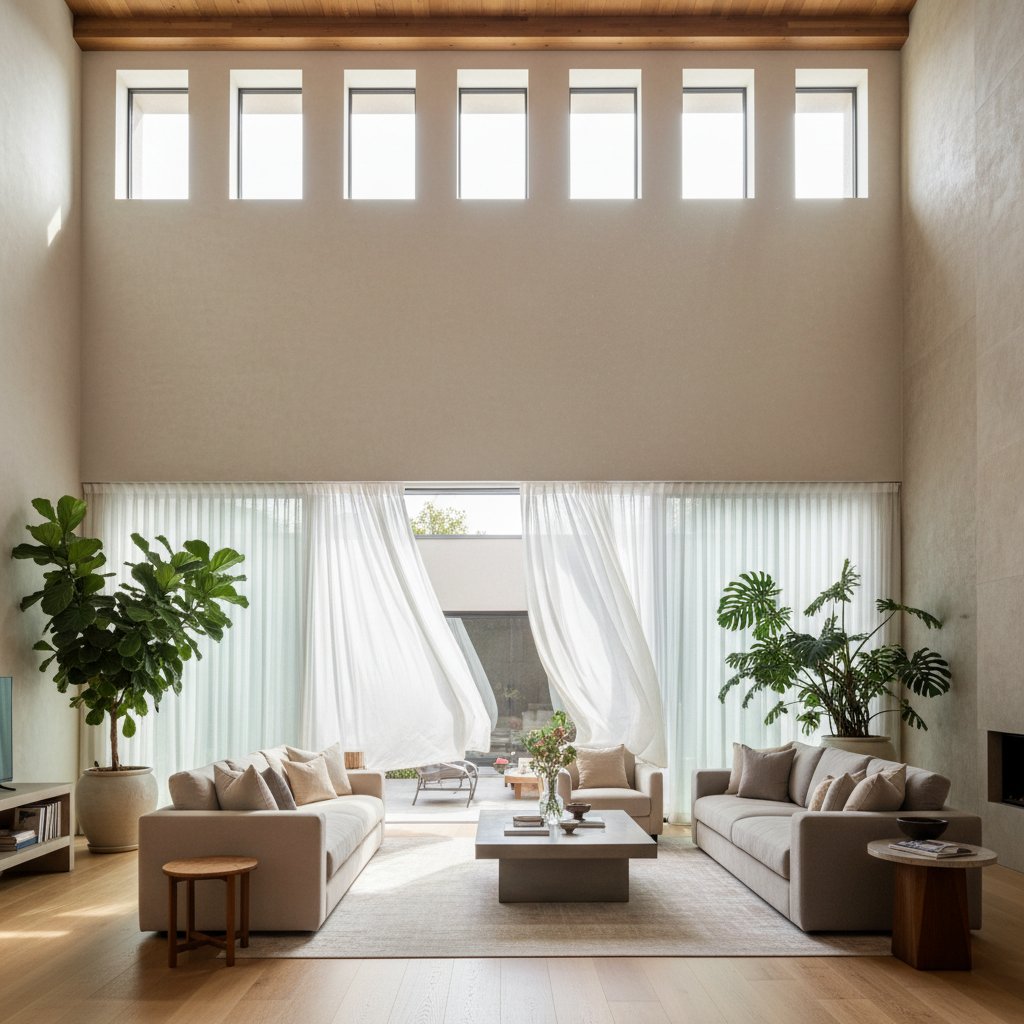
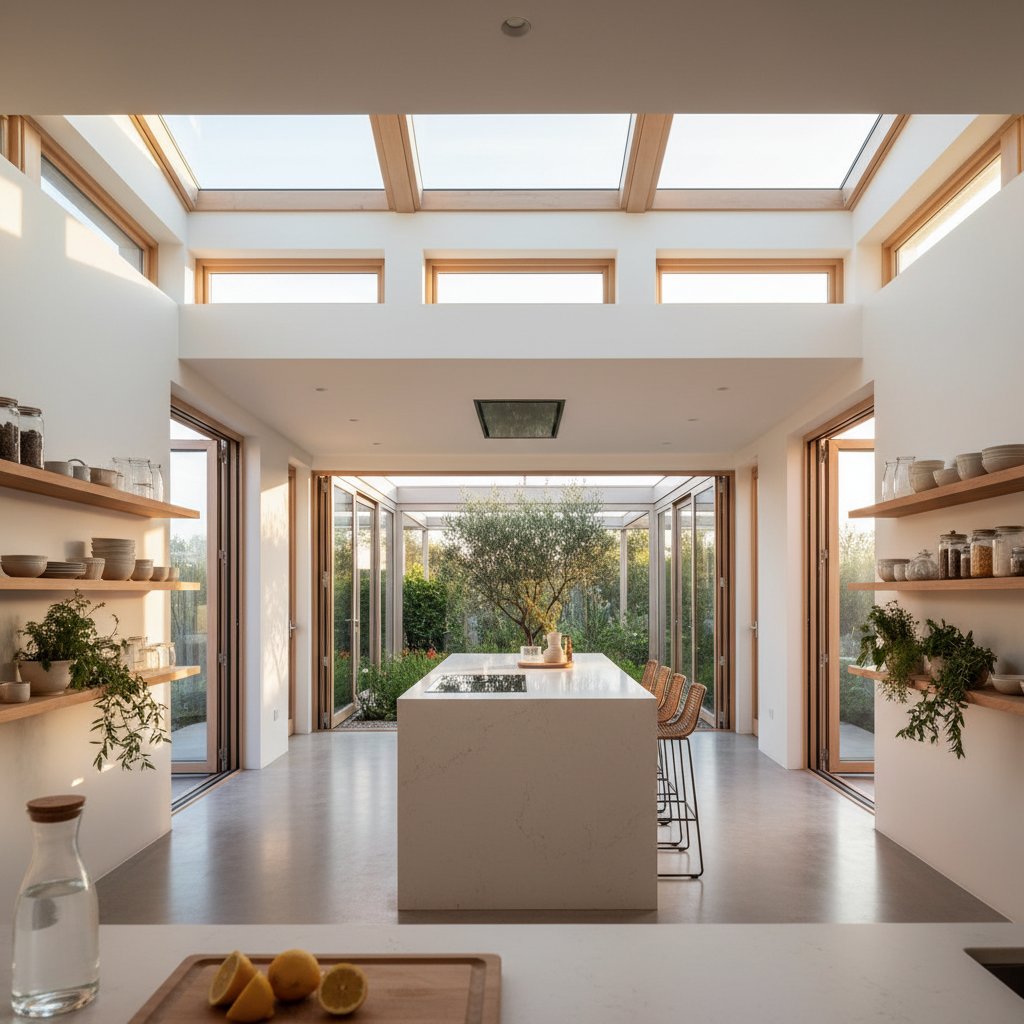
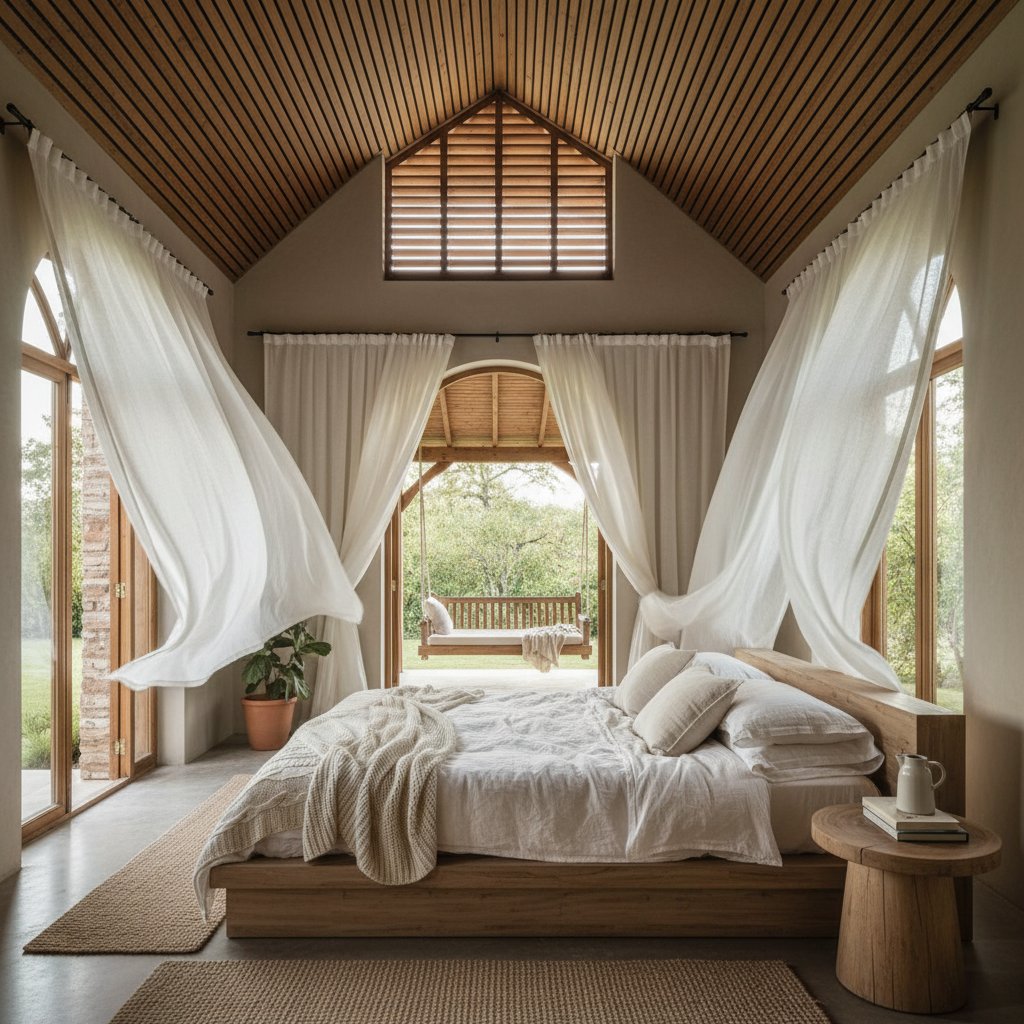
Singapore's tropical climate presents unique challenges for maintaining comfortable indoor temperatures. While air conditioning remains the default solution, natural ventilation offers a sustainable alternative that reduces energy consumption by up to 70% while improving indoor air quality. Our approach combines architectural principles with modern building science to create cross-ventilation pathways that harness prevailing winds and thermal buoyancy. By strategically positioning openings, installing ventilation towers, and utilizing stack effect principles, we design systems that move air naturally through your space. This method works particularly well in landed properties, shophouses, and low-rise developments where structural modifications are feasible. The system incorporates operable windows, clerestory openings, and ventilation grilles positioned to maximize airflow based on Singapore's typical wind patterns from the northeast and southwest monsoons. We conduct computational fluid dynamics analysis to map air movement patterns specific to your building's orientation and surrounding structures. The result is a cooling solution that operates silently, requires minimal maintenance, and provides fresh air circulation throughout the day. Our designs account for rain protection, security considerations, and insect screening while maintaining optimal ventilation performance. Each project receives a customized assessment considering building height, room layout, and local microclimate conditions to ensure effective natural cooling year-round.

  • Reduce electricity bills by 60-70% compared to continuous air conditioning use
  • Improve indoor air quality through constant fresh air exchange and reduced CO2 levels
  • Lower carbon footprint with zero operational emissions from cooling systems
  • Eliminate mechanical noise from compressors and fans for quieter living spaces
  • Minimal maintenance requirements with no filters, coils, or refrigerant to service
  • Increase property value through sustainable building features and green certifications
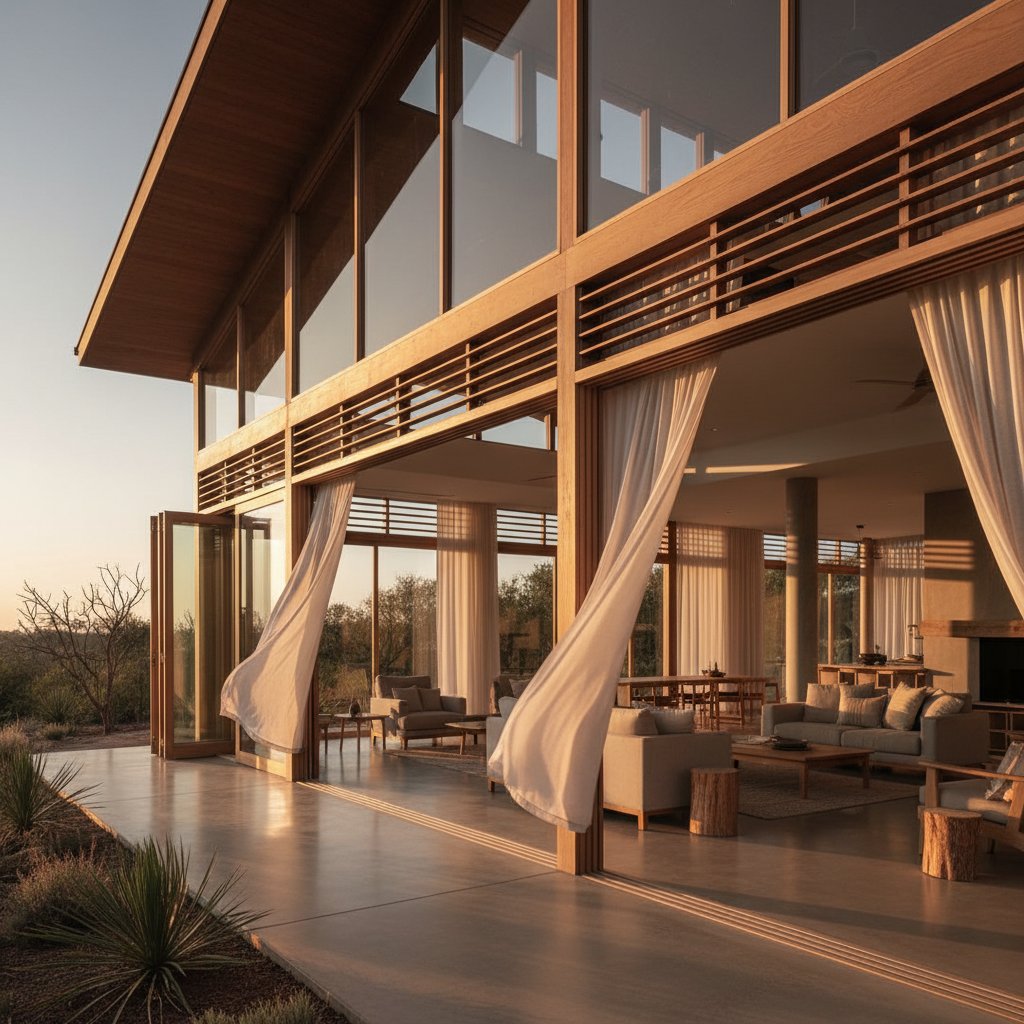
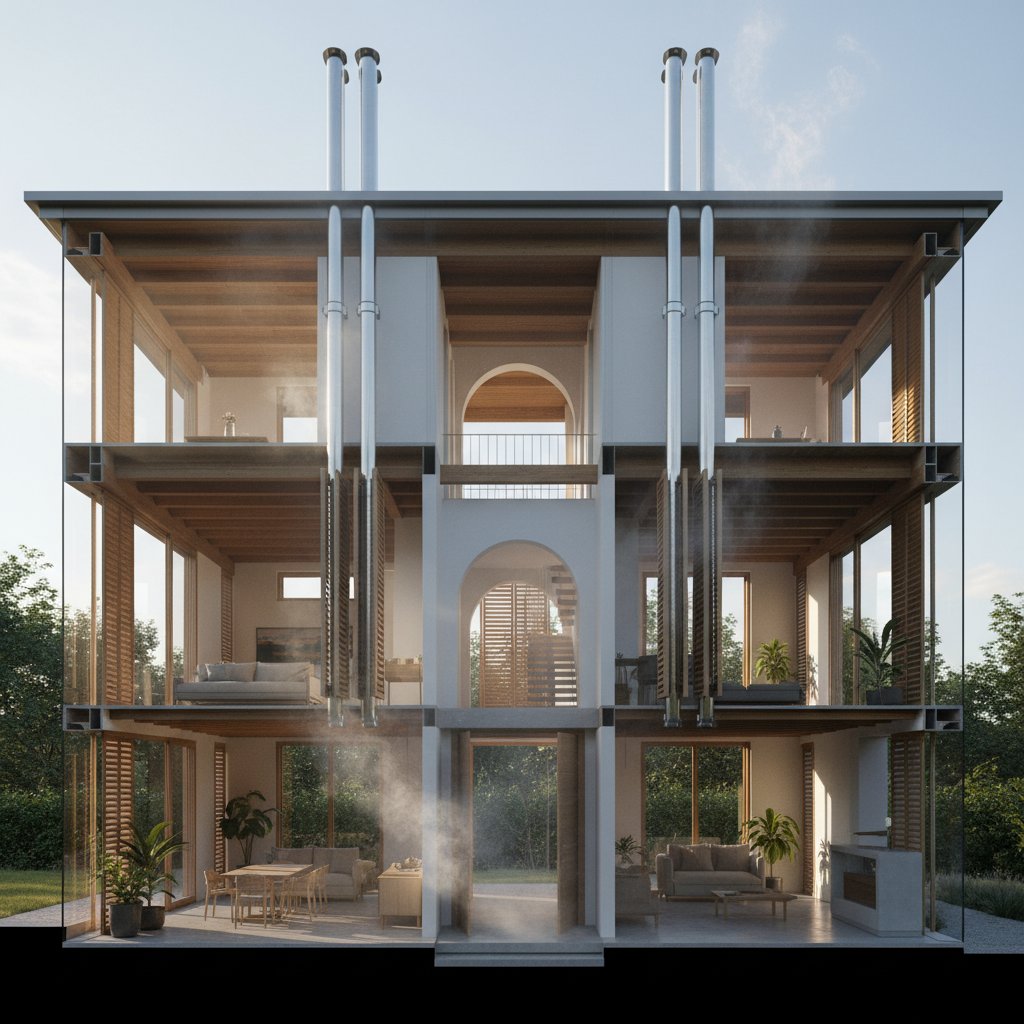
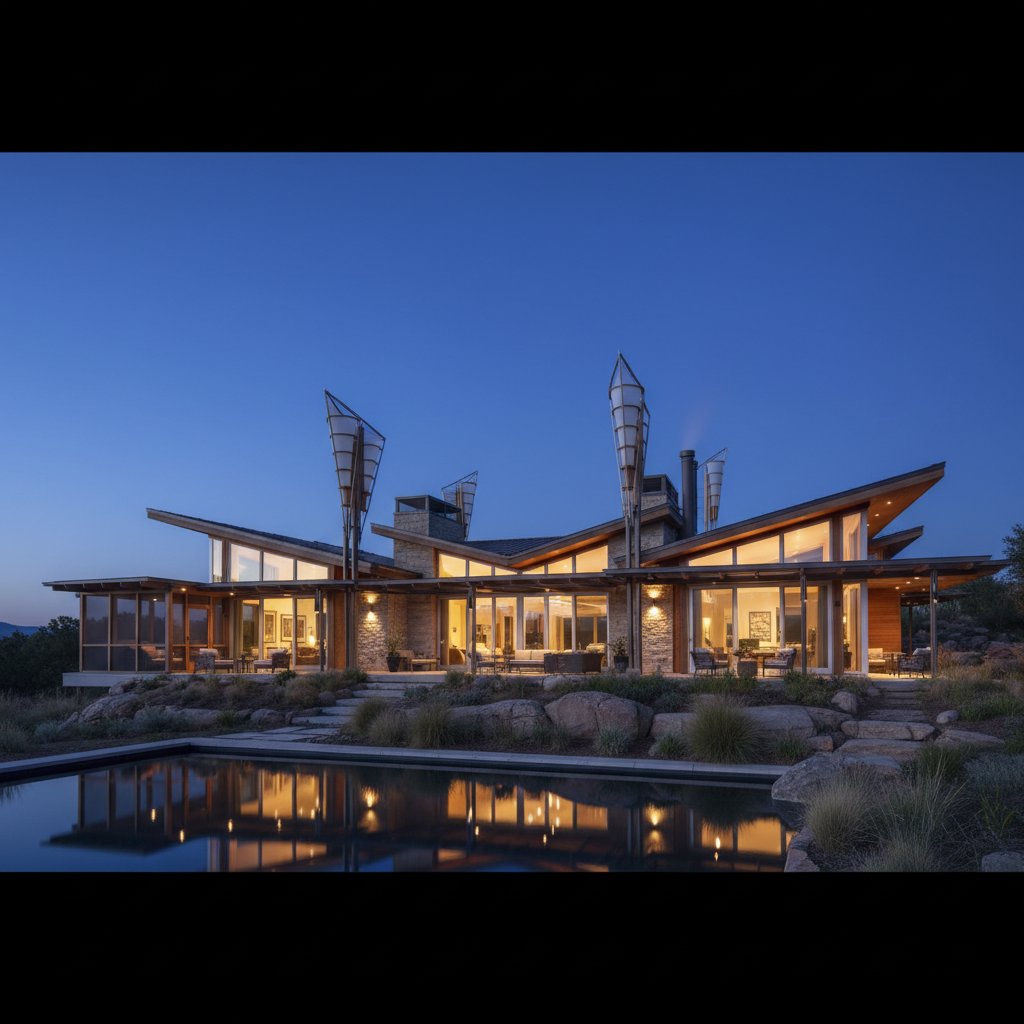
Natural ventilation system design showing cross-ventilation airflow in modern Singapore home

Natural Ventilation Services

Our comprehensive range of services helps Singapore homeowners reduce energy costs while maintaining comfortable indoor temperatures. Each solution is tailored to tropical climate conditions, utilizing cross-ventilation principles and stack effect to create efficient airflow throughout your property.

Residential Airflow Assessment

Complete evaluation of your home's current ventilation patterns, identifying thermal bridges and stagnant air zones. We measure temperature differentials across rooms, analyze window placement effectiveness, and assess outdoor wind patterns specific to your neighborhood. Our team uses thermal imaging cameras and anemometers to create detailed airflow maps, providing you with actionable recommendations based on building orientation, surrounding structures, and local microclimate conditions in Singapore's urban environment.

Cross-Ventilation Design

Strategic planning to maximize natural airflow between opposite sides of your property. We calculate optimal window sizes, positions, and opening mechanisms to capture prevailing winds while preventing rain ingress during monsoon seasons. Our designs incorporate pressure differentials, considering Singapore's typical wind speeds of 2-4 meters per second. We specify appropriate window types, louvers, and ventilation grilles that balance security requirements with airflow efficiency, ensuring year-round comfort without mechanical cooling systems.

Stack Ventilation Installation

Implementation of vertical ventilation systems that utilize warm air's natural tendency to rise. We install strategically positioned high-level openings, roof vents, and clerestory windows that allow hot air to escape while drawing cooler air through lower openings. Our installations include weatherproof vents rated for tropical rainfall, insect screens, and adjustable dampers for flow control. Suitable for multi-story homes and landed properties, this method reduces indoor temperatures by 3-5 degrees Celsius without electricity consumption.

Courtyard Ventilation Systems

Design and integration of central courtyard spaces that serve as natural air circulators for surrounding rooms. We calculate optimal courtyard dimensions based on your property size, specify appropriate landscaping that enhances cooling without blocking airflow, and design connecting openings that distribute fresh air evenly. Our solutions incorporate shading elements, water features for evaporative cooling, and reflective surfaces to minimize heat absorption. Particularly effective for terrace houses and bungalows in residential areas like Serangoon, Bukit Timah, and East Coast.

Window Optimization Service

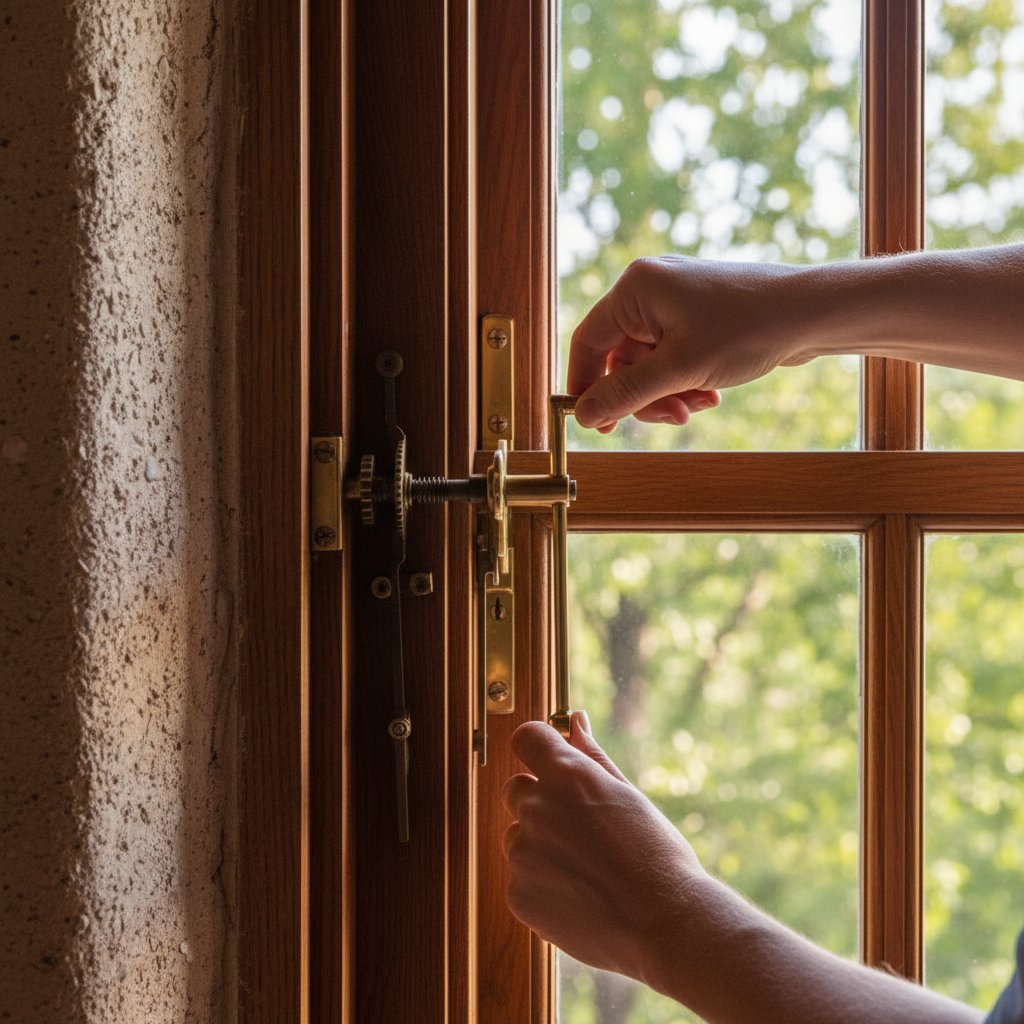
Upgrading existing windows to maximize ventilation potential while maintaining security and weather protection. We recommend specific window styles such as casement, awning, or sliding types based on your wall orientations and room functions. Installation includes high-quality aluminum or UPVC frames with multi-point locking systems, tinted or reflective glazing options, and integrated insect screens. Our service covers measurement, removal of old fixtures, professional installation, and waterproofing to prevent leaks during heavy tropical downpours common in Singapore.

Thermal Mass Integration

Incorporating materials that absorb heat during day and release it slowly at night, stabilizing indoor temperatures. We specify appropriate concrete densities, stone types, and brick configurations that work effectively in Singapore's climate where nighttime temperatures rarely drop below 24 degrees Celsius. Our service includes structural calculations, material sourcing from local suppliers, and installation coordination with builders. We position thermal mass elements strategically to capture morning sun while shading them during peak afternoon heat, creating comfortable conditions throughout the day.

Solar Chimney Construction

Building dedicated vertical shafts that harness solar energy to drive ventilation through convection currents. We design chimneys with south-facing glazed surfaces that heat internal air, creating strong upward drafts that pull fresh air through your home. Our constructions use powder-coated aluminum frames, tempered glass panels, and insulated backing to maximize temperature differentials. Each chimney includes adjustable dampers, rain protection, and maintenance access. Effective for homes with limited cross-ventilation opportunities, providing continuous airflow even when outdoor wind speeds are low.

Ventilated Facade Systems

Installing exterior cladding with air gaps that prevent solar heat from reaching main walls. We design double-skin facades using fiber cement boards, aluminum composite panels, or timber screens mounted 100-150mm from structural walls. The cavity allows hot air to rise and escape at the top while drawing cooler air from below, reducing wall surface temperatures by up to 15 degrees Celsius. Our systems include corrosion-resistant fixings suitable for coastal areas, integrated pest barriers, and fire-rated materials compliant with Singapore Building Authority regulations.

Evaporative Cooling Integration

Incorporating water features and misting systems that cool incoming air through evaporation. We design rooftop water ponds, vertical green walls with irrigation, and strategically placed fountains that reduce air temperature by 2-4 degrees before it enters your home. Our systems use recycled rainwater stored in underground tanks, reducing water consumption and utility costs. We specify submersible pumps, UV-resistant piping, and automated controls that adjust misting frequency based on humidity levels, ensuring optimal performance during Singapore's drier months while preventing excessive moisture during rainy periods.

Landscape Ventilation Planning

Designing outdoor spaces that channel breezes toward your home while providing shade. We select tree species with appropriate canopy heights and densities, positioning them to funnel wind through specific pathways. Our plans include fast-growing native species like Tembusu and Rain Trees that reach maturity within 5-7 years, ornamental shrubs that don't obstruct low-level airflow, and ground covers that reduce reflected heat. We consider root systems to protect foundations, maintenance requirements, and seasonal flowering patterns, creating landscapes that enhance both cooling and aesthetic appeal.

Balcony Ventilation Enhancement

Modifying balconies to function as thermal buffer zones and air intake channels. We install adjustable louvers, privacy screens with airflow perforations, and ceiling fans positioned to direct breezes indoors. Our designs incorporate planters that provide evaporative cooling, shading devices that prevent direct sun exposure to adjacent rooms, and flooring materials that minimize heat absorption. Suitable for HDB flats and condominiums, our enhancements maintain building facade aesthetics while significantly improving natural ventilation. We ensure all modifications comply with MCST guidelines and BCA requirements for external alterations.

Wind Tower Installation

Constructing traditional passive cooling towers adapted for tropical conditions. These vertical structures capture wind at higher elevations where speeds are greater, directing it downward into living spaces. We design towers with directional vanes that automatically orient toward prevailing winds, internal baffles that increase air velocity, and moisture collection systems that provide additional evaporative cooling. Our installations use lightweight aluminum construction for rooftop placement, include structural engineering calculations, and feature powder-coated finishes in colors matching your roof. Each tower can ventilate spaces up to 80 square meters.

Ventilation Performance Monitoring

Installing sensor networks that track temperature, humidity, and air movement patterns throughout your property. We provide wireless monitoring systems with data loggers recording conditions at 15-minute intervals, accessible through smartphone apps. Our service includes initial sensor calibration, strategic placement in representative locations, and monthly reports analyzing performance trends. We identify times when natural ventilation is insufficient, recommend operational adjustments like opening specific windows during particular hours, and quantify energy savings compared to mechanical cooling. Data collection continues for 12 months to capture seasonal variations.

Insect Screen Solutions

Installing high-quality screens that allow maximum airflow while preventing mosquitoes and other insects from entering. We use fine-mesh stainless steel or fiberglass materials with 1.2mm apertures, blocking even small insects without significantly restricting air movement. Our frames feature magnetic closures, easy-release mechanisms for cleaning, and powder-coated aluminum construction resistant to corrosion. Available in retractable or fixed configurations for windows, doors, and large openings. Each installation includes professional measurement, custom fabrication, and secure mounting that withstands daily use and tropical weather conditions common throughout Singapore.

Hybrid System Design

Creating integrated solutions that combine natural ventilation with minimal mechanical assistance for extreme conditions. We design systems using low-power ceiling fans positioned to enhance natural airflow patterns, automated window openers triggered by temperature sensors, and small exhaust fans for bathrooms and kitchens. Our approach prioritizes passive cooling, activating mechanical components only when natural methods are insufficient. We calculate energy consumption showing 70-85% reduction compared to full air conditioning, specify quiet DC motors, and include smart controls that learn your preferences over time while maintaining optimal indoor air quality.

Retrofit Consultation Service

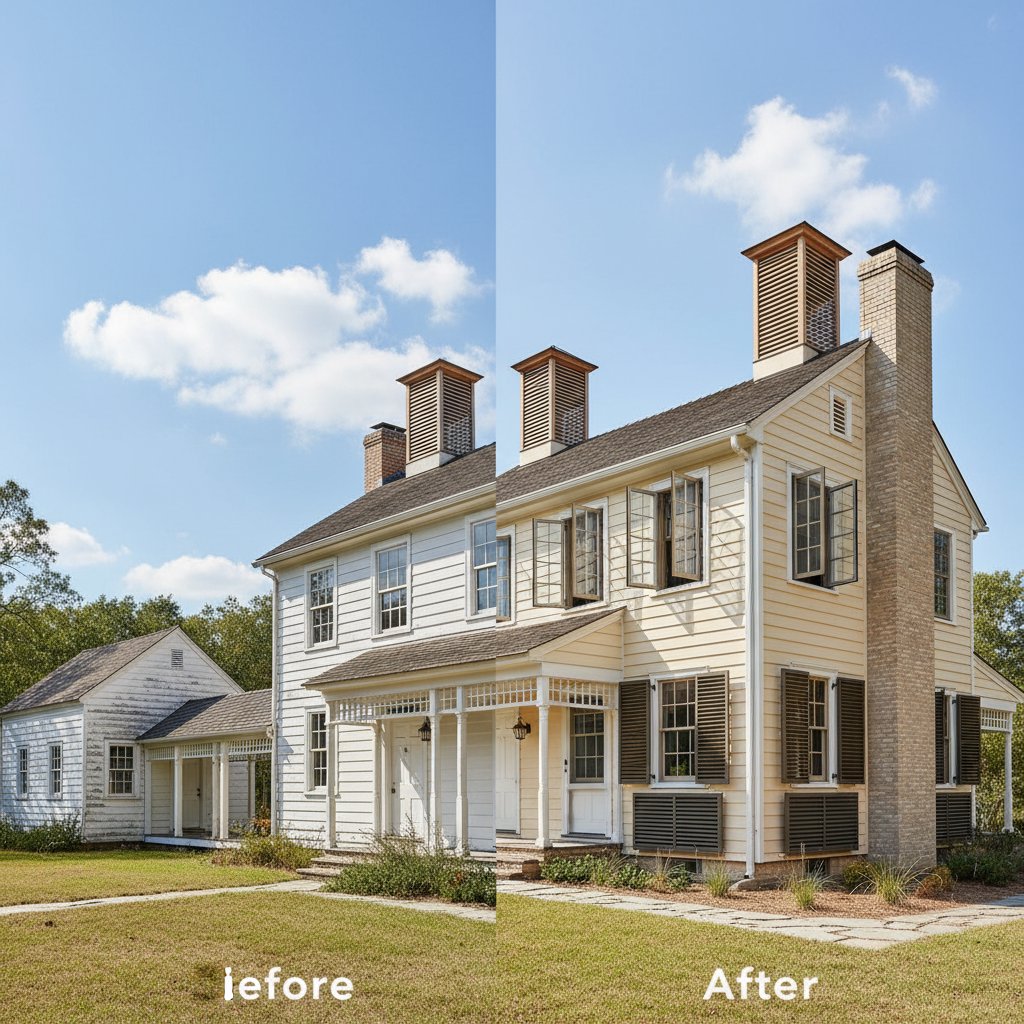
Comprehensive guidance for adding natural ventilation to existing buildings without major renovations. We identify opportunities within current structures, recommend modifications that don't require structural changes, and prioritize solutions based on cost-effectiveness and impact. Our consultations include reviewing architectural plans, discussing lifestyle patterns to understand room usage, and providing detailed implementation roadmaps with phased approaches. We coordinate with contractors, source materials from reliable suppliers in Singapore, and offer project management support. Ideal for homeowners wanting gradual improvements while maintaining occupancy throughout the enhancement process.

Green Building Certification Support

Assisting with documentation and design requirements for Green Mark certification from Singapore's Building and Construction Authority. We prepare detailed ventilation calculations, airflow simulation reports, and energy modeling data demonstrating reduced cooling loads. Our service includes compiling technical specifications, photographing installations, and liaising with BCA assessors during evaluation visits. We help achieve points in categories related to natural ventilation, indoor air quality, and energy efficiency. Our clients have successfully obtained Green Mark Gold and Platinum ratings, increasing property values while reducing operational costs through proven sustainable design strategies.

Insights on Natural Ventilation

Practical guidance for creating comfortable indoor environments through passive cooling techniques and thoughtful building design

Cross ventilation in residential buildings
📅 15 Nov 2024 ⏱️ 6 min read

Understanding Cross Ventilation in Tropical Climates

Cross ventilation relies on pressure differences created by wind to move air through a building. In Singapore's tropical setting, positioning windows on opposite walls at strategic heights allows prevailing breezes to flow through living spaces. The effectiveness depends on window size, placement height, and the presence of internal obstructions. Studies show that proper cross ventilation can reduce indoor temperatures by 3-5 degrees Celsius compared to sealed environments.

Read More →
Stack effect ventilation design
📅 8 Nov 2024 ⏱️ 7 min read

The Stack Effect: Vertical Air Movement in Buildings

Stack ventilation uses temperature differences between indoor and outdoor air to create upward airflow. Warm air rises and exits through high-level openings while cooler air enters through lower openings. This method works particularly well in multi-story buildings with vertical shafts or atriums. For residential properties in Singapore, incorporating clerestory windows or roof vents can enhance this natural circulation, especially during evening hours when outdoor temperatures drop below indoor levels.

Read More →
Window placement for natural cooling
📅 1 Nov 2024 ⏱️ 5 min read

Strategic Window Placement for Maximum Airflow

Window location determines how effectively a building captures and directs airflow. In Singapore, where prevailing winds typically come from the northeast and southwest, positioning larger openings perpendicular to these directions maximizes air intake. The ratio between inlet and outlet sizes affects flow velocity—smaller inlets with larger outlets increase air speed through the space. Additionally, placing windows at different heights creates pressure variations that enhance circulation throughout the day.

Read More →

Benefits of Natural Ventilation Systems

Implementing proper airflow design reduces energy consumption while maintaining comfortable indoor temperatures throughout Singapore's tropical climate.

Lower Energy Bills

Reduce electricity costs by 40-60% compared to conventional air conditioning systems. Cross-ventilation and stack effect principles eliminate the need for mechanical cooling during most hours, resulting in savings of $150-300 monthly for typical residential properties.

Improved Air Quality

Fresh outdoor air continuously replaces stale indoor air, removing pollutants, carbon dioxide, and volatile organic compounds. This constant exchange reduces humidity levels and prevents mold growth, creating healthier living spaces without relying on filters or purifiers.

Environmental Impact

Zero carbon emissions during operation make this approach sustainable. By eliminating refrigerants and reducing power consumption, each home prevents approximately 2-3 tons of CO2 emissions annually while supporting Singapore's Green Building Masterplan targets.

Minimal Maintenance

Unlike mechanical systems requiring regular servicing, cleaning, and refrigerant top-ups, passive ventilation components need only occasional inspection. No compressors, fans, or filters to replace means lower long-term costs and fewer service calls over the system's 30-50 year lifespan.

Silent Operation

Enjoy peaceful indoor environments without the constant hum of compressors or fan noise. Natural airflow operates silently, improving sleep quality and concentration. This benefit particularly matters in densely populated areas like Toa Payoh or Bedok where noise pollution affects daily life.

Thermal Comfort

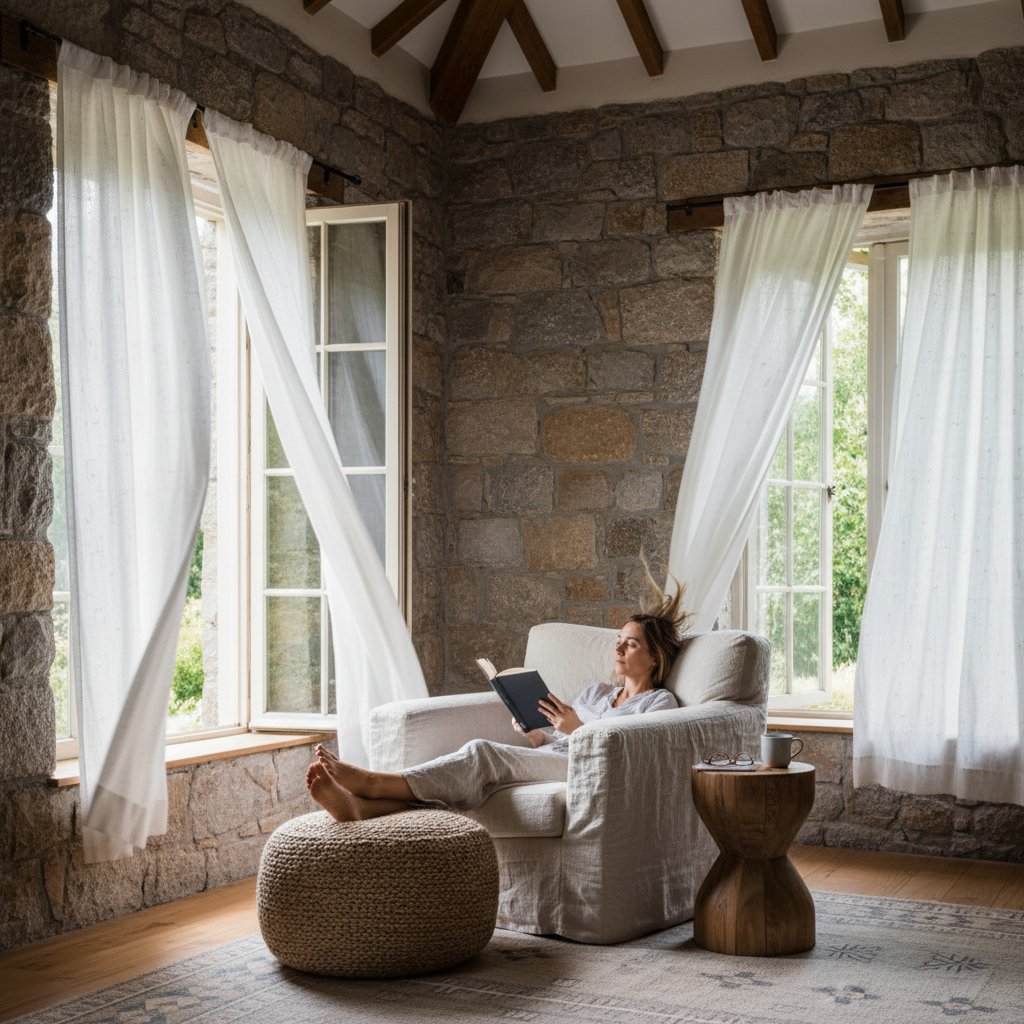
Strategic window placement and thermal mass integration maintain indoor temperatures 3-5°C below outdoor levels. Combining shading devices, high ceilings, and proper orientation creates comfortable conditions even during peak afternoon heat, matching or exceeding air-conditioned comfort levels.

Power Independence

Function effectively during electrical outages or brownouts without backup generators. This reliability proves valuable during storms or grid maintenance periods common in tropical regions. Homes remain comfortable regardless of power availability, providing security and peace of mind.

Limited Time Offer

Natural Ventilation System Design Package

Take advantage of our comprehensive natural ventilation consultation package designed specifically for Singapore homes. Our team will assess your property, create a custom airflow plan, and provide detailed implementation guidance to reduce your cooling costs by up to 40%. This offer includes a complete site analysis, thermal mapping, and a personalized ventilation strategy that works with Singapore's tropical climate.

Offer Valid Until:

📅 7 April 2026

Save 25% on Full Consultation Package

  • Complete on-site assessment of your property with thermal imaging and airflow analysis to identify optimal ventilation points

  • Detailed ventilation design plan with cross-ventilation pathways, stack effect optimization, and window placement recommendations

  • Energy savings projection report showing estimated reduction in cooling costs and environmental impact over 5 years

  • Implementation guidance with contractor recommendations and material specifications suitable for Singapore's climate

  • Three months of follow-up support to ensure your natural ventilation system performs as designed throughout different seasons

What Our Clients Say

Real experiences from homeowners across Singapore who have implemented natural ventilation systems

Excellent ROI. The stack ventilation system paid for itself in 14 months through reduced cooling costs. Professional installation with minimal disruption to our daily routine.

RT
Rajesh Tamil
Jurong West, Singapore

Good service overall. The ventilation system works well, though the initial site survey took longer than expected. The final result met our requirements, and our bedroom stays cooler at night without running the air conditioner. Would have appreciated more color options for the vent covers.

CL
Catherine Lim
Bedok, Singapore

I'm so happy with this solution! Our third-floor flat was unbearable during afternoons. They installed roof vents and optimized our window placement. The difference is remarkable. We now use the air conditioner maybe twice a week instead of daily. The team explained everything clearly and answered all my questions about maintenance.

AS
Ahmad Sufian
Tampines, Singapore

They solved our humidity problem that three other contractors couldn't fix. The combination of intake vents at ground level and exhaust vents near the ceiling creates constant airflow. Our living room feels comfortable even during the hottest months.

JK
Jennifer Koh
Clementi, Singapore

The system works as described, but installation took three weeks instead of the promised two. Communication could be better. On the positive side, the pricing was transparent with no hidden charges, and the ventilation does reduce our reliance on mechanical cooling. The technical explanation was helpful.

DT
David Tan
Ang Mo Kio, Singapore

Solid work. The ventilation design addressed our west-facing wall heat issue. Installation was clean and the crew respected our home. Minor issue with one vent alignment that was quickly corrected. The follow-up service was responsive.

KW
Kevin Wong
Bukit Batok, Singapore

Finally, a solution that works! Our corner unit trapped heat like an oven. They designed a system using wind catchers and thermal chimneys. The temperature difference is noticeable within minutes of opening the vents. Installation took eight days, and they cleaned up thoroughly each evening.

SN
Sarah Ng
Pasir Ris, Singapore

Impressed by the technical knowledge. They calculated airflow rates, pressure differentials, and seasonal wind patterns before proposing the design. Our HDB flat now maintains 26-27 degrees naturally during most of the year.

LH
Leonard Ho
Hougang, Singapore

The system performs well, though I wish there were more customization options for the vent designs. The consultation was detailed, covering building codes and HDB regulations. Our kitchen and bathrooms now have proper air circulation without mechanical fans running constantly. Price was fair compared to three other quotes we received.

MT
Maria Tan
Yishun, Singapore

Decent results but had some hiccups along the way. The initial assessment was thorough, but there was confusion about material specifications. Once sorted out, the installation went smoothly. The ventilation does reduce indoor temperature by about 2-3 degrees. Customer service was responsive when we raised concerns. Met expectations overall, though not exceptional.

BL
Benjamin Lee
Woodlands, Singapore

Practical solution for our needs. The team understood our budget constraints and designed an effective system using passive cooling principles. Our maisonette now has proper air circulation between levels. The difference in comfort is significant, especially during evening hours when we can open the vents and enjoy natural breezes.

NR
Nurul Rahman
Punggol, Singapore

Completed Ventilation Projects

Explore real installations where we've implemented passive cooling strategies, cross-ventilation designs, and stack effect systems across Singapore residences and commercial spaces.

Tiong Bahru Heritage Home Natural Ventilation
Residential

Tiong Bahru Heritage Home

Tanjong Pagar Office Cross Ventilation System
Commercial

Tanjong Pagar Office Space

Pasir Ris Terrace House Stack Ventilation
Residential

Pasir Ris Terrace House

Katong Shophouse Renovation Natural Cooling
Renovation

Katong Shophouse Retrofit

Changi Business Park Warehouse Ventilation
Commercial

Changi Business Park Warehouse

Bukit Timah Bungalow Wind Tower Installation
Residential

Bukit Timah Bungalow

Frequently Asked Questions

Find answers to common questions about implementing effective ventilation solutions in Singapore's tropical climate

Yes, passive ventilation works well in Singapore when designed correctly for high humidity conditions. The key is understanding that our consistent temperatures (24-32°C) and regular wind patterns from the northeast and southwest monsoons provide reliable conditions for cross-ventilation strategies.

The system must account for humidity management. Installing windows on opposite walls creates airflow paths that move moisture-laden air out while drawing in fresher air. Window placement at varying heights leverages stack effect—warm air rises and exits through upper openings while cooler air enters below. During monsoon seasons, operable louvres allow ventilation while protecting against rain. Many HDB flats and landed properties in areas like Toa Payoh and East Coast have successfully reduced indoor temperatures by 3-5°C using these principles, cutting energy costs by 30-40% compared to constant air-conditioning use.

For a standard 4-room HDB flat (90-100 sqm), basic ventilation improvements typically range from SGD 2,500 to SGD 8,000. This includes installing ventilation grilles, additional operable windows, and ceiling fans with proper positioning. Landed properties require higher investment—between SGD 12,000 and SGD 25,000—depending on the building's size and complexity.

Major components include: aluminum louvre windows (SGD 300-600 per panel), ventilation fans for specific areas like bathrooms (SGD 150-400 each), ceiling fans with DC motors for efficiency (SGD 200-500), and installation labor (typically 20-30% of material costs). Solar-powered roof ventilators add SGD 800-1,500 per unit. While upfront costs seem substantial, most households recover this investment within 3-4 years through reduced electricity bills. Properties in Bukit Timah and Serangoon have documented savings of SGD 150-300 monthly on cooling costs after implementing comprehensive ventilation upgrades.

Window placement depends on three factors: prevailing wind direction, building orientation, and interior layout. In Singapore, northeast winds dominate from November to March, while southwest winds prevail from June to September. Position inlet windows on the windward side (facing incoming wind) and outlet windows on the leeward side.

For HDB flats facing north-south, place larger openings on north walls to capture northeast monsoon winds. East-west facing units benefit from windows on shorter walls to minimize afternoon sun exposure while maintaining cross-ventilation. The outlet opening should be 25-30% larger than the inlet to create negative pressure that pulls air through the space. Vertical positioning matters—place inlets at sitting height (60-90cm from floor) and outlets near the ceiling. Rooms in the center of the home need high-level clerestory windows or transom panels above doors. A thermal imaging assessment (SGD 300-500) can identify hot spots and stagnant air zones, helping refine window placement before renovation begins.

Maintenance is minimal but essential for sustained performance. Clean window screens and louvre blades monthly to prevent dust buildup that restricts airflow—this takes 15-20 minutes per room. Inspect and lubricate window hinges and operators every six months using silicone-based lubricants. Check weatherstripping around operable windows annually and replace if cracked or compressed; replacement strips cost SGD 5-15 per meter.

For mechanical components, ceiling fans need blade cleaning quarterly and motor inspection yearly. DC motor fans are more reliable but should be checked for bearing wear after 3-4 years of continuous use. Roof ventilators require debris removal from caps twice yearly, particularly after monsoon seasons. Solar panel surfaces on powered ventilators should be wiped clean every three months to maintain efficiency. Budget SGD 200-400 annually for professional inspection of the entire system, including thermal performance testing. Regular maintenance prevents the 15-20% efficiency loss that occurs in neglected systems within just two years.

Yes, Singapore's Building Control Act and Housing & Development Board regulations govern ventilation modifications. For HDB flats, you must obtain approval from HDB before altering external walls, installing new windows, or modifying the building facade. This includes adding louvres or ventilation grilles visible from outside. Applications are submitted through the HDB e-Service portal with architectural drawings showing proposed changes.

Landed properties require approval from the Building and Construction Authority (BCA) if structural changes are involved. The Building Control Regulations 2003 mandate minimum ventilation areas: habitable rooms need openable area equal to at least 5% of floor area, while bathrooms require 0.3 square meters of ventilation. Fire safety codes restrict modifications near fire-rated walls and escape routes. For condominiums, obtain Management Corporation approval before external alterations. Professional architects or contractors familiar with local codes (registration with BCA required) can navigate the approval process, which typically takes 4-8 weeks. Non-compliance risks fines up to SGD 20,000 and mandatory restoration of unauthorized changes.

About Ecomanagehub

Founded in 2015, Ecomanagehub emerged from a simple observation: Singapore's tropical climate demands cooling solutions, yet conventional air conditioning systems consume excessive energy and contribute to urban heat islands. Our team of 12 building engineers and environmental consultants recognized that traditional architectural principles, combined with modern understanding of airflow dynamics, could provide effective alternatives.

We started by analyzing pre-war shophouses in Katong and Tiong Bahru—structures that maintained comfortable indoor temperatures through strategic window placement, high ceilings, and ventilation shafts. These buildings operated without mechanical cooling for decades. This research became the foundation of our approach to natural ventilation design.

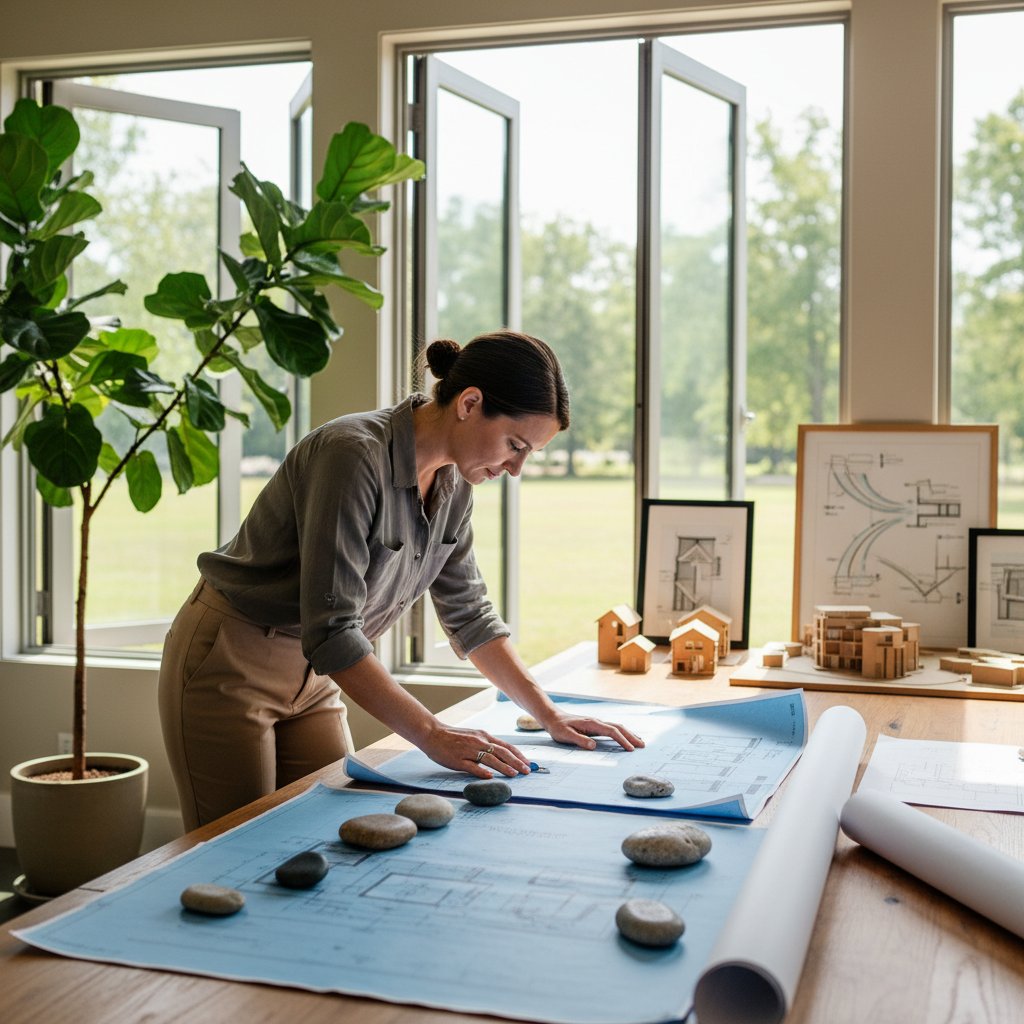
Natural ventilation system design consultation

Our Mission

We design ventilation systems that reduce dependence on air conditioning by 40-70% in residential and commercial buildings across Singapore. Our work focuses on measurable outcomes: lower electricity bills, improved indoor air quality, and reduced carbon emissions.

Each project begins with computational fluid dynamics analysis to map airflow patterns specific to your building's orientation, surrounding structures, and local wind patterns. We then implement solutions using operable windows, ventilation towers, solar chimneys, and strategic landscaping.

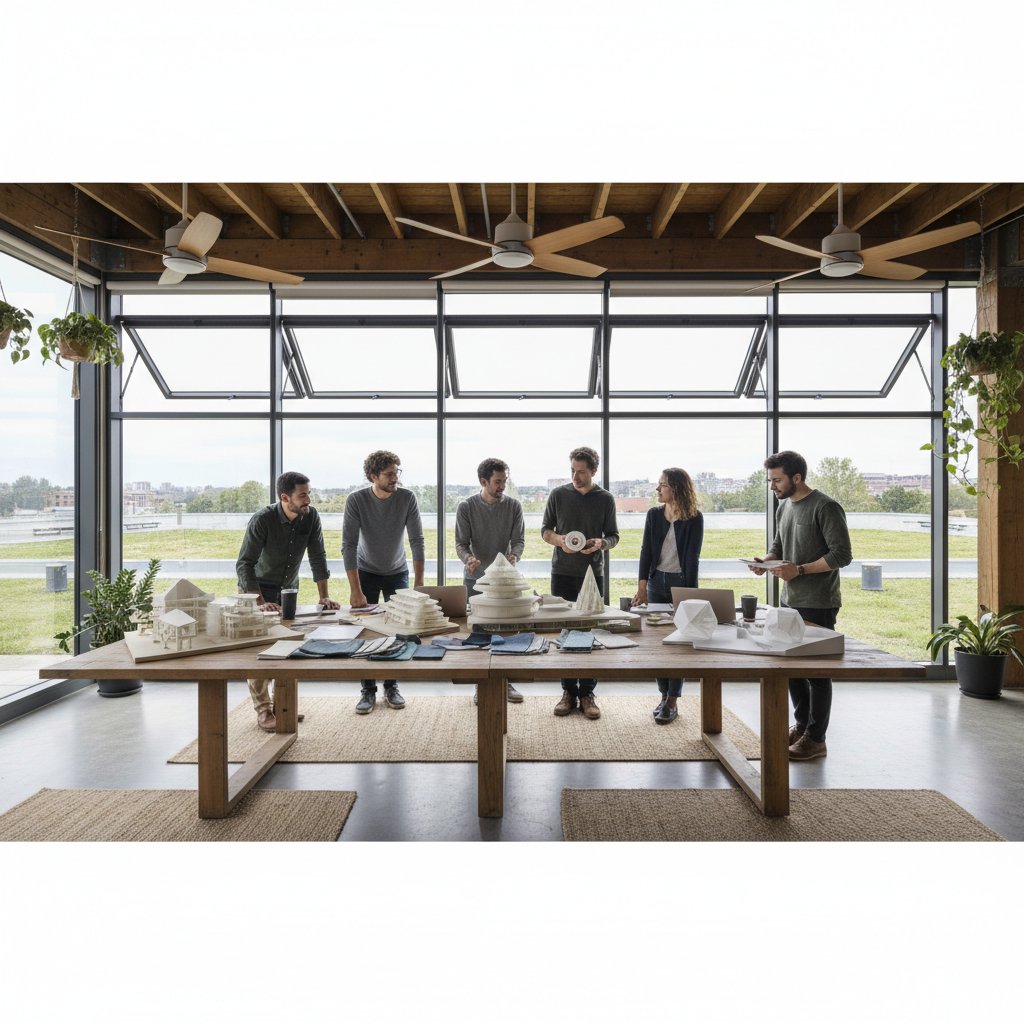
Passive cooling techniques implementation

Our Expertise

Over eight years, we have completed 147 projects ranging from landed properties in Bukit Timah to HDB flats in Punggol. Our team includes certified passive house designers, LEED-accredited professionals, and specialists in tropical architecture.

We conduct thermal comfort assessments using calibrated sensors that measure temperature, humidity, and air velocity at multiple points throughout your space. This data informs our design recommendations, which typically include cross-ventilation pathways, stack effect optimization, and thermal mass integration.

Core Values

Evidence-Based Design

Every recommendation stems from airflow modeling, thermal analysis, and post-occupancy evaluation data. We measure results in cubic meters per second of air movement and degrees Celsius of temperature reduction.

Practical Implementation

Our solutions work within existing building constraints and budgets. We specify readily available materials and coordinate with local contractors familiar with Singapore's building codes and climate conditions.

Long-Term Performance

We design systems that function effectively for 15-20 years with minimal maintenance. Our clients receive detailed operation manuals and seasonal adjustment guidelines to maintain optimal performance.

Our Track Record

Since 2015, we have helped property owners in Singapore reduce their cooling energy consumption while maintaining comfortable indoor environments. Our approach combines building science principles with practical construction methods.

147 Completed Projects
12 Specialists on Team
8 Years of Experience

Located at 70 Frankel Avenue, our office operates Monday through Friday from 9:00 to 18:00, and Saturday from 10:00 to 14:00. We conduct site assessments throughout Singapore and provide detailed reports within 10 business days.

Our Credentials

Ecomanagehub maintains the highest standards in natural ventilation design and implementation across Singapore

Licensed Business

Registered in Singapore

Data Protection

PDPA Compliant

SSL/TLS Secured

Encrypted Connection

Quality Guaranteed

Workmanship Warranty

Industry Standards

BCA Guidelines Adherence

Professional Team

Certified Consultants

Natural Ventilation Results

Our approach to passive cooling combines building science principles with Singapore's tropical climate characteristics. These numbers reflect actual installations completed across residential and commercial properties in the region.

6
Years of Experience
in Singapore market
340+
Projects Completed
since 2019
285
Satisfied Clients
across Singapore districts
4-7°C
Temperature Reduction
average indoor cooling
35-60%
Energy Savings
on cooling costs annually
91%
Client Satisfaction
260 positive reviews
12
Certified Specialists
ventilation engineers
180+
Residential Installations
HDB and private homes
160+
Commercial Projects
offices and retail spaces
14
Average Days
installation timeframe
3
Industry Certifications
BCA Green Mark accredited

Get in Touch

Whether you're planning to implement a ventilation system in your home or need professional guidance on cooling solutions, our team at Ecomanagehub is ready to assist you with tailored recommendations for Singapore's climate.

Send Us a Message

Contact Information

Address

70 Frankel Avenue
Singapore 458066

Business Hours

Monday - Friday: 9:00 - 18:00
Saturday: 10:00 - 14:00
Sunday: Closed

70 Frankel Avenue, Singapore 458066

Disclaimer

The information provided on this website regarding natural ventilation systems is offered as is, accurate to our knowledge at the time of publication. Ecomanagehub reserves the right to modify, update, or remove content without prior notice. While we strive to ensure accuracy, we recommend consulting with licensed professionals before implementing any ventilation solutions. Climate conditions, building structures, and local regulations vary significantly across Singapore. Ecomanagehub limits liability for the accuracy, completeness, or timeliness of information presented. Professional assessment of your specific property is essential for optimal results.