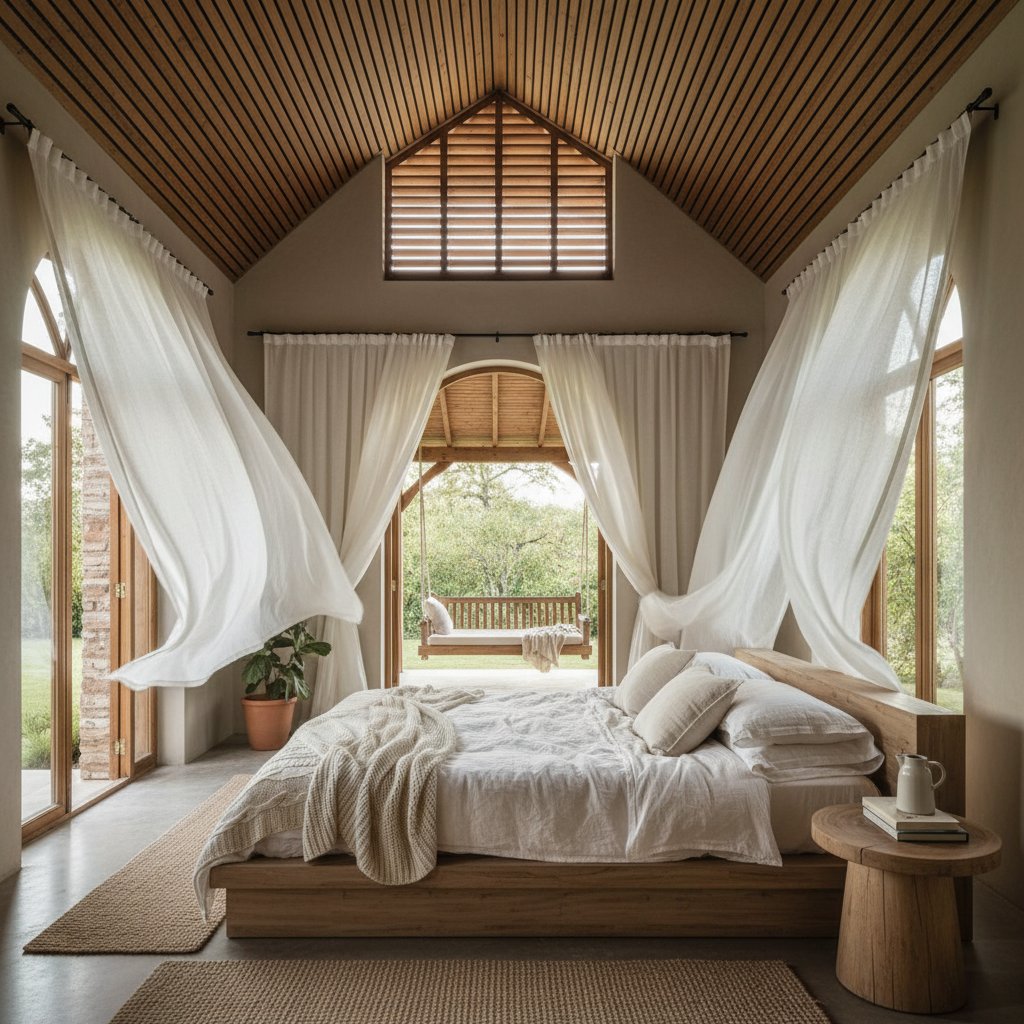
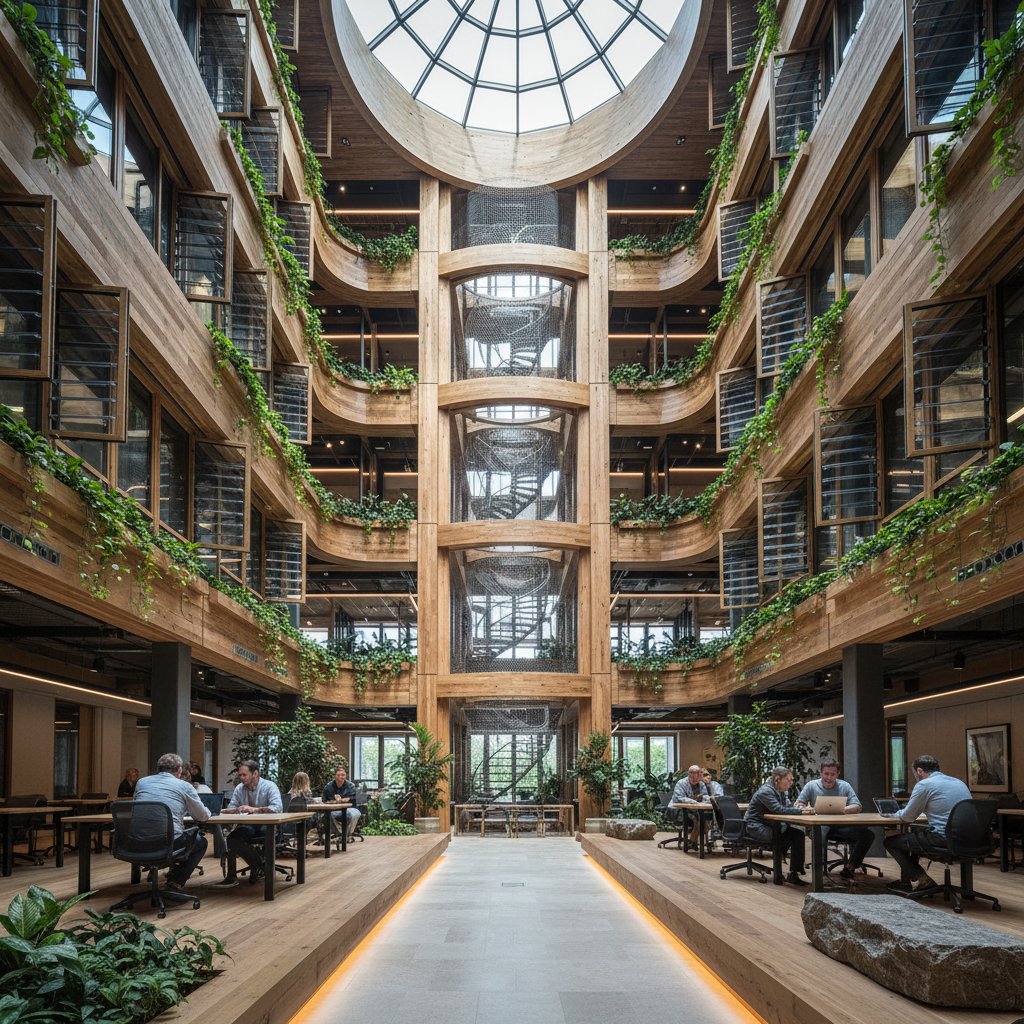
About Ecomanagehub
Founded in 2015, Ecomanagehub emerged from a simple observation: Singapore's tropical climate demands cooling solutions, yet conventional air conditioning systems consume excessive energy and contribute to urban heat islands. Our team of 12 building engineers and environmental consultants recognized that traditional architectural principles, combined with modern understanding of airflow dynamics, could provide effective alternatives.
We started by analyzing pre-war shophouses in Katong and Tiong Bahru—structures that maintained comfortable indoor temperatures through strategic window placement, high ceilings, and ventilation shafts. These buildings operated without mechanical cooling for decades. This research became the foundation of our approach to natural ventilation design.
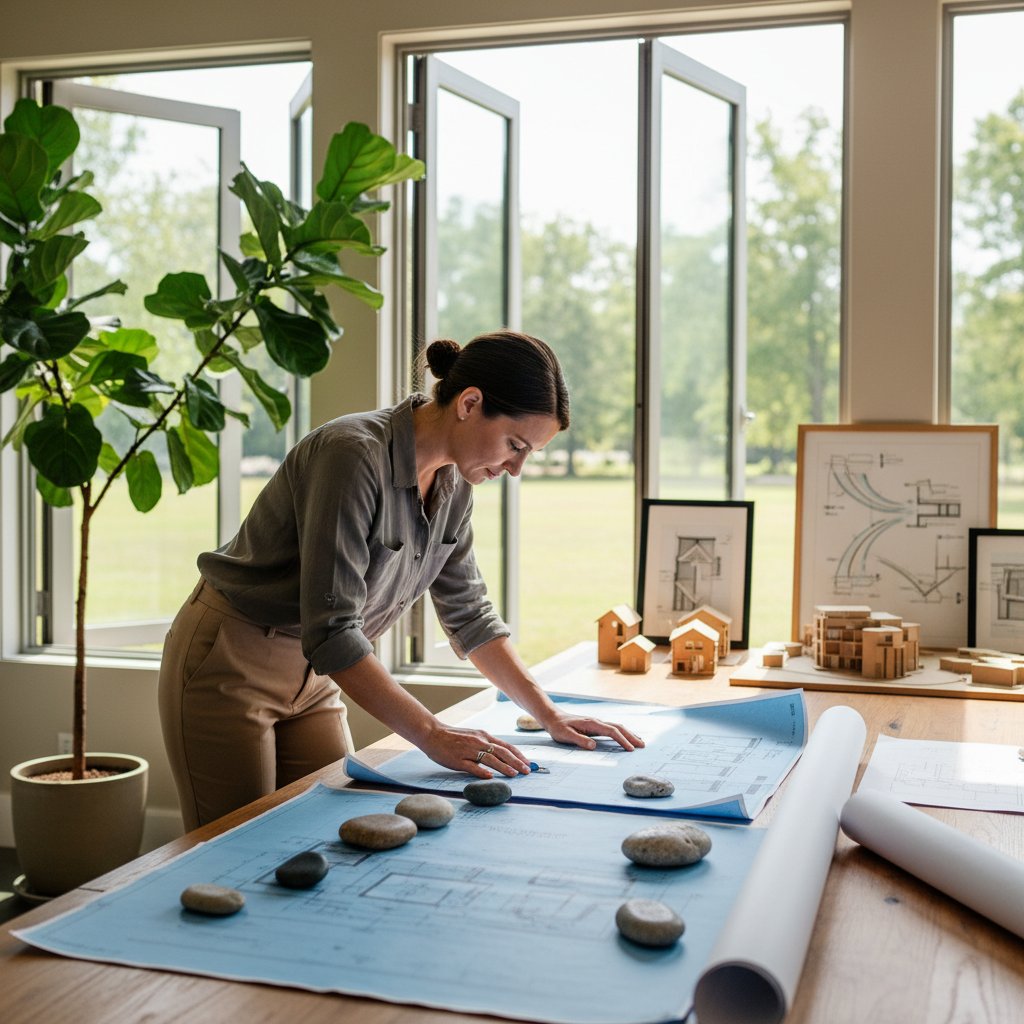
Our Mission
We design ventilation systems that reduce dependence on air conditioning by 40-70% in residential and commercial buildings across Singapore. Our work focuses on measurable outcomes: lower electricity bills, improved indoor air quality, and reduced carbon emissions.
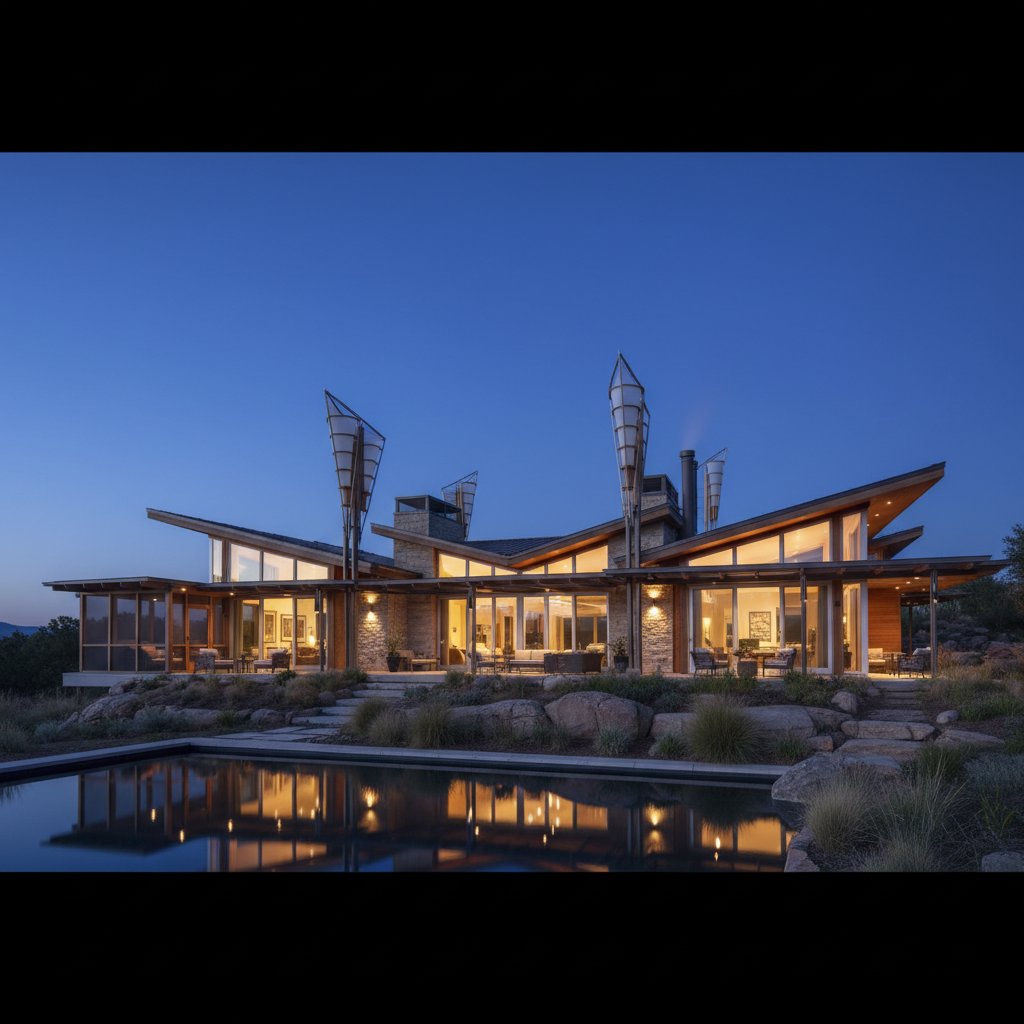
Each project begins with computational fluid dynamics analysis to map airflow patterns specific to your building's orientation, surrounding structures, and local wind patterns. We then implement solutions using operable windows, ventilation towers, solar chimneys, and strategic landscaping.
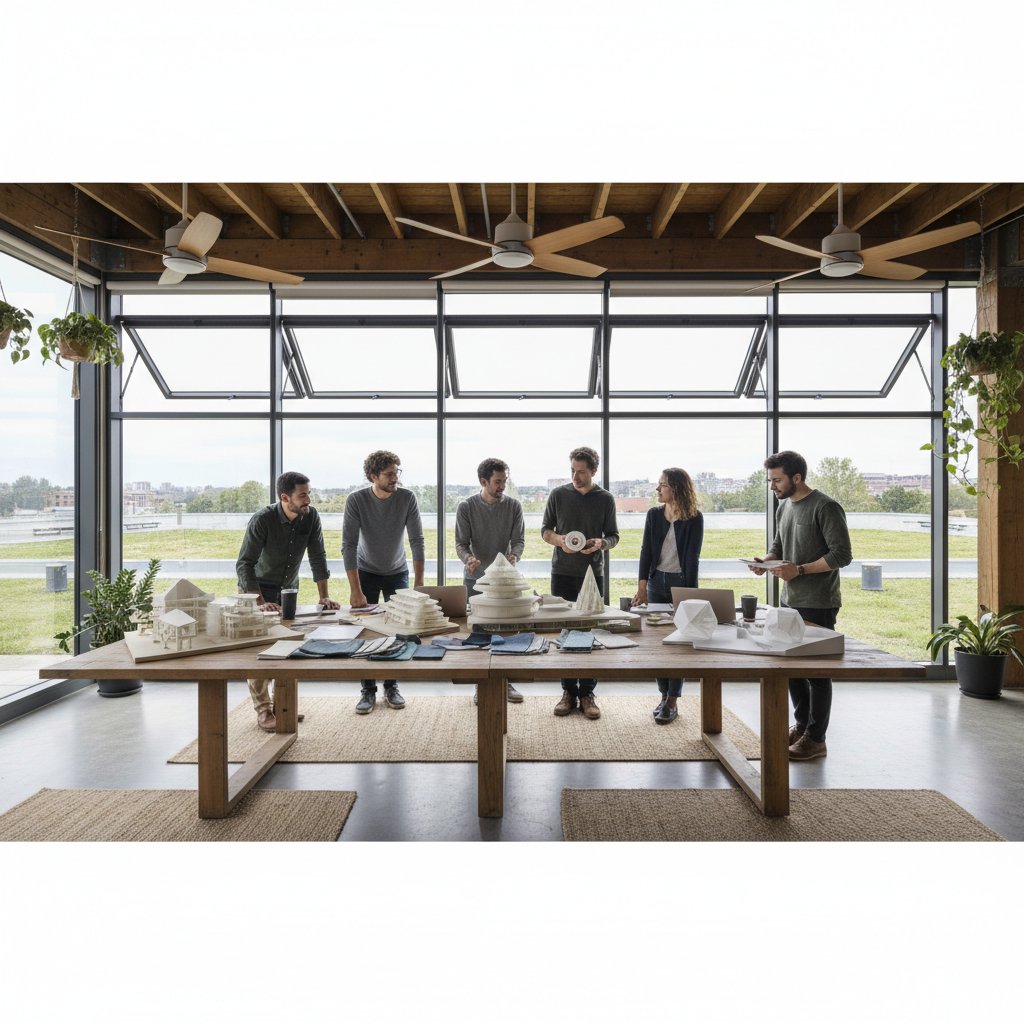
Our Expertise
Over eight years, we have completed 147 projects ranging from landed properties in Bukit Timah to HDB flats in Punggol. Our team includes certified passive house designers, LEED-accredited professionals, and specialists in tropical architecture.
We conduct thermal comfort assessments using calibrated sensors that measure temperature, humidity, and air velocity at multiple points throughout your space. This data informs our design recommendations, which typically include cross-ventilation pathways, stack effect optimization, and thermal mass integration.
Core Values
Evidence-Based Design
Every recommendation stems from airflow modeling, thermal analysis, and post-occupancy evaluation data. We measure results in cubic meters per second of air movement and degrees Celsius of temperature reduction.
Practical Implementation
Our solutions work within existing building constraints and budgets. We specify readily available materials and coordinate with local contractors familiar with Singapore's building codes and climate conditions.
Long-Term Performance
We design systems that function effectively for 15-20 years with minimal maintenance. Our clients receive detailed operation manuals and seasonal adjustment guidelines to maintain optimal performance.
Our Track Record
Since 2015, we have helped property owners in Singapore reduce their cooling energy consumption while maintaining comfortable indoor environments. Our approach combines building science principles with practical construction methods.
Located at 70 Frankel Avenue, our office operates Monday through Friday from 9:00 to 18:00, and Saturday from 10:00 to 14:00. We conduct site assessments throughout Singapore and provide detailed reports within 10 business days.