Designing a natural ventilation system: How to cool a house without relying on A/C: common mistakes that cost you money
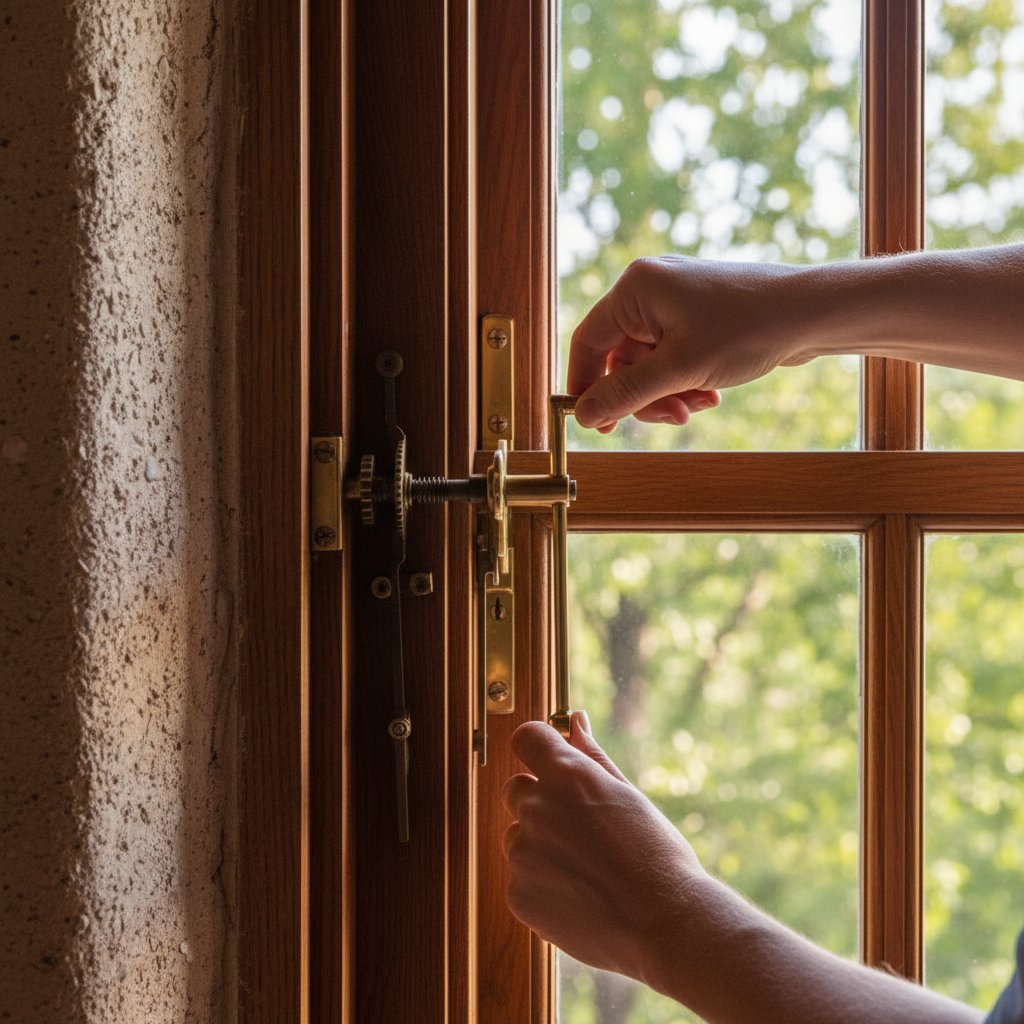
The Expensive Mistakes Homeowners Make When Ditching the A/C
Last summer, my neighbor spent $3,200 installing ceiling fans and fancy operable windows, convinced he'd slash his cooling bills in half. By August, his electric meter was spinning faster than ever because he'd made every classic mistake in the passive cooling playbook.
Natural ventilation sounds simple—open some windows, let the breeze flow through, save money. But the difference between a house that stays comfortable at 78°F and one that turns into a sweatbox by noon often comes down to understanding two competing approaches: the "stack effect" method versus the "cross-ventilation" strategy.
Stack Effect Ventilation: The Chimney Approach
Think of your house as a vertical chimney. Hot air rises naturally, and if you give it an escape route at the top, cooler air gets pulled in from below. This is stack ventilation, and it's been cooling buildings since ancient Rome.
The Upside
- Works without wind: You don't need a breeze. Temperature difference alone drives air movement at roughly 0.5-1.0 cubic feet per minute per square foot of opening.
- Predictable performance: The taller your house, the better it works. A two-story home with 20-foot height difference can generate 0.2-0.3 inches of water column pressure—enough to move serious air.
- Night cooling potential: Opens high windows after sunset, and you can flush out 60-70% of accumulated heat within 3-4 hours.
- Lower installation costs: Clerestory windows and roof vents typically run $800-2,000 for a standard home.
The Downside
- Requires vertical space: Single-story ranch homes generate minimal stack pressure. You need at least 12-15 feet of vertical separation for noticeable effect.
- Heat gain from upper openings: Skylights and clerestories can introduce 300-500 BTUs per square foot daily if poorly oriented.
- Limited daytime effectiveness: When outdoor temps hit 85°F+, you're just pulling hot air through your house.
- Architectural constraints: Adding vertical openings to existing homes often means structural modifications costing $5,000-15,000.
Cross-Ventilation: The Horizontal Wind Tunnel
This approach creates a horizontal airflow path through your living spaces. Position inlet windows on the windward side, outlet windows on the leeward side, and let pressure differentials do the work.
The Upside
- Immediate cooling sensation: Air moving across skin at 200 feet per minute feels 6-8°F cooler than still air at the same temperature.
- Works in single-story homes: No vertical height needed. Even a 600-square-foot apartment can achieve 15-20 air changes per hour with proper window placement.
- Easier retrofitting: Most homes already have opposing windows. Average cost to optimize existing openings: $1,200-3,500.
- Flexible control: You can direct airflow exactly where you need it—bedroom, kitchen, home office.
The Downside
- Wind-dependent: Calm days mean zero cooling. Most regions experience less than 10 mph average wind speeds, limiting effectiveness 40-50% of summer days.
- Privacy and security issues: Ground-level windows stay open, raising concerns in urban areas.
- Noise infiltration: Street sounds, neighbors, traffic—it all comes through. Studies show 15-25 decibel increases with windows open.
- Pollen and pollution: You're inviting outdoor air quality inside, which matters if you have allergies or live near busy roads.
Head-to-Head Comparison
| Factor | Stack Effect | Cross-Ventilation |
|---|---|---|
| Installation Cost | $800-15,000 (depending on modifications) | $1,200-3,500 (typical retrofit) |
| Best For | Two-story homes, calm climates | Single-story, windy locations |
| Temperature Reduction | 4-6°F below outdoor temp | 6-8°F effective cooling (perceived) |
| Reliability | Works 80-90% of time | Works 50-60% of time |
| Maintenance | Minimal | Regular window operation needed |
The Real Answer: Why You Need Both
Here's what my neighbor got wrong—he picked one strategy and ignored the other. The homes that actually stay comfortable without A/C use hybrid systems. Stack effect handles nighttime cooling and still days. Cross-ventilation tackles peak afternoon heat when breezes pick up.
A properly designed system combines clerestory windows or cupolas (stack effect) with strategically placed casement windows at living level (cross-ventilation). This dual approach works 85-95% of summer days in temperate climates, reducing cooling costs by $600-1,200 annually.
The biggest mistake? Assuming natural ventilation means "just open windows randomly." That's like expecting a car to run efficiently by randomly pressing pedals. You need inlet areas 30-40% smaller than outlet areas to increase air velocity. You need thermal mass to absorb daytime heat. You need automated controls that close windows when outdoor temps exceed indoor temps.
Skip these details, and you'll spend thousands on modifications that barely move the needle on your electric bill. Get them right, and you might actually retire that A/C unit for good—or at least keep it off until temperatures push past 90°F.